Selling a House With Tenants in Place: Leases, Notice, Deposits, and Your Options
You can usually sell a rental with tenants still living there. This guide explains what happens to the lease, how showings and notice work, who keeps the security deposit, and when cash-for-keys or selling to an investor makes sense.
 By the Main Street Home Buyer team Published 6 min read
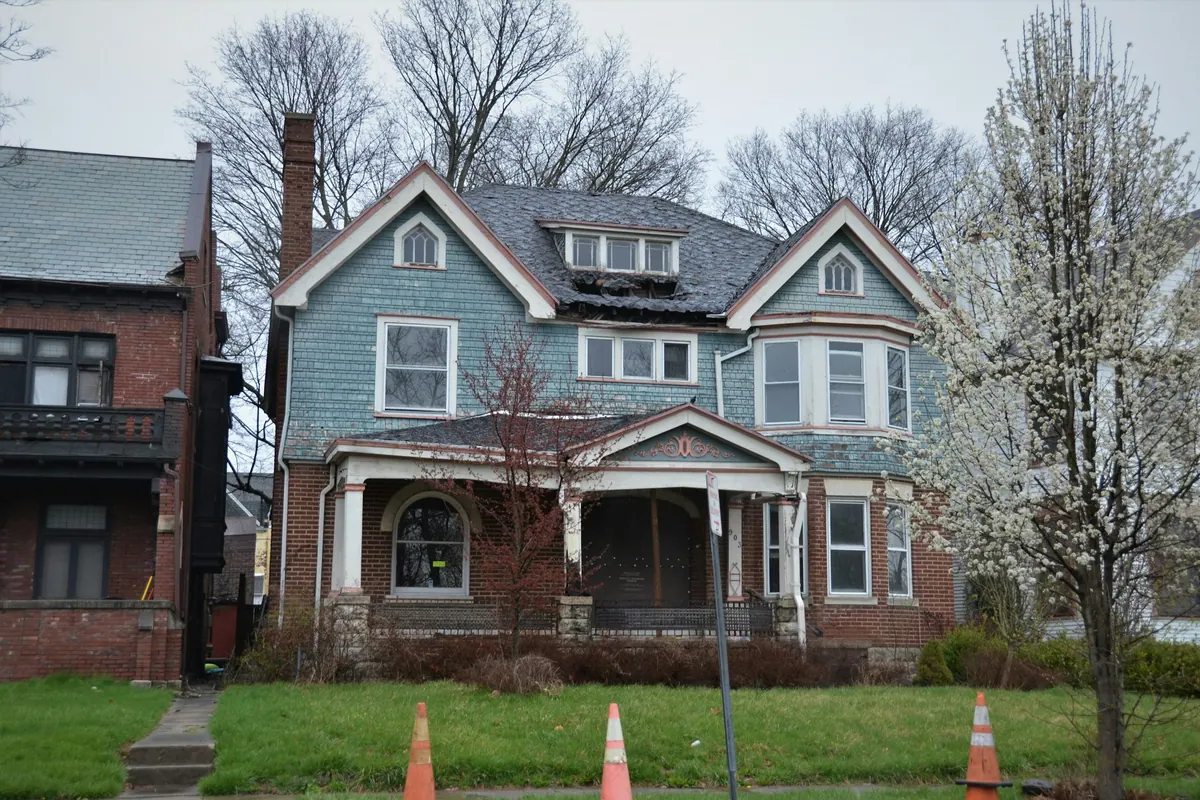
Plenty of landlords decide to sell while a tenant is still in the house. Maybe the rent no longer covers rising insurance and taxes, a big repair is coming, or managing from a distance has worn thin. The good news is that a tenant in place rarely makes a sale impossible. It changes who your buyers are, how showings work, and how the closing handles money.
Landlord-tenant law is mostly state and local, and some cities add their own protections. Use this as a map, then confirm the rules where the property is.
The basic rule: the lease usually survives the sale
In most places, a valid lease does not end because the property is sold. The buyer takes the house subject to the existing lease and steps into your shoes as landlord. If the tenant has seven months left on a one-year lease, the new owner generally honors those seven months.
That shapes everything else:
- Fixed-term lease: expect the buyer to inherit it unless the tenant agrees to leave early or the lease itself allows termination on sale, which is uncommon and may not be enforceable everywhere.
- Month-to-month tenancy: you or the new owner can typically end it with proper written notice, but the required notice period varies by state and city, and some cities restrict the reasons a landlord may end a tenancy.
- Expired lease, tenant still paying: in many states this becomes month-to-month by default.
Read the lease before you decide on a strategy. Look for a sale clause, a right of first refusal, renewal options, and any rules about access.
Three ways to sell a tenant-occupied house
Option 1: sell to an investor with the tenant staying
This is often the cleanest route. Investors who want rentals may value a paying tenant, because the house produces income from day one. You avoid vacancy and turnover costs, and the tenant keeps their home.
Expect the buyer to ask for the lease, the rent payment history, and an estoppel certificate (more on that below).
Option 2: wait for the lease to end, then sell vacant
A vacant house is easier to show, stage, and repair, and it opens the door to owner-occupant buyers using conventional financing. The trade-off is time and money. You carry the mortgage, taxes, insurance, and utilities through the vacancy, and turnover often reveals repairs. Our vacant house holding cost guide helps you price that wait.
Option 3: negotiate an early move-out
Sometimes the tenant would happily leave early for the right terms. A cash-for-keys agreement pays the tenant to move by a set date and leave the house broom-clean. It is voluntary, it should be in writing, and the payment is usually made when the tenant actually hands over the keys. Done respectfully, it can be cheaper and kinder than waiting out a lease.
Showings, access, and notice
Most states require landlords to give reasonable advance notice before entering, and many set a minimum notice period in statute or in the lease. Showings for a sale count as entry. A few practical points:
- Tell the tenant early that you plan to sell. Silence breeds rumor and resistance.
- Agree on showing windows in writing and stick to them.
- Limit the number of visits. Investors buying tenant-occupied homes often need only one walkthrough.
- Consider a small rent credit or a gift card for the tenant’s cooperation. It costs little and buys goodwill.
A tenant who feels respected is more likely to keep the house clean and to answer a buyer’s questions honestly.
Security deposits at closing
The tenant’s security deposit does not belong to you to keep at sale. In most states, it must either be transferred to the new owner or returned to the tenant according to the state’s rules, and many states require written notice to the tenant explaining who holds it now.
At closing, the usual approach is a credit: the seller credits the buyer the amount of the deposit (and any prepaid last month’s rent) on the settlement statement, and the buyer takes on the obligation to return it later. Make sure the figure matches your records and the lease. If deposits were held in a separate account, as some states require, coordinate the transfer with the closing agent.
Rent proration
Rent is usually prorated at closing just like property taxes. If the tenant paid the full month on the first and you close on the twentieth, the buyer typically receives a credit for the remaining days. If the tenant is behind, the contract should say who gets any past-due rent collected later. Leaving that vague invites a dispute.
The estoppel certificate
An estoppel certificate is a short statement the tenant signs confirming the key facts: the rent, the deposit amount, the lease dates, any prepaid rent, and whether the tenant claims the landlord owes them anything. Buyers ask for it so they are not surprised after closing by a side agreement or a disputed deposit.
Ask for it early. Tenants do not always return paperwork quickly, and a certificate that contradicts your records is better discovered before closing than after.
Tenants with housing assistance
If the tenant uses a Housing Choice Voucher or another assistance program, there is usually a contract between the landlord and the local housing authority in addition to the lease. A sale generally requires notifying the housing authority, and the new owner may need to sign onto the assistance contract to keep receiving the subsidy portion of the rent. Contact the housing authority early; their paperwork timeline can affect your closing date.
If the tenant has stopped paying
A tenant who is behind on rent complicates a sale but does not prevent one. You have two broad choices: resolve the tenancy first through your state’s legal eviction process, or sell to a buyer who is willing to take the house with the situation as it is and handle it after closing.
Whichever you choose, avoid shortcuts. Changing the locks, removing the tenant’s belongings, or shutting off utilities to force someone out is illegal in nearly every state and can expose you to damages. Eviction timelines vary widely, so talk with a local landlord-tenant attorney before you set a closing date that depends on the house being empty. Be upfront with buyers about unpaid rent and any pending case; it affects what they will offer and how the contract should handle past-due amounts.
Offer the house to the tenant first
Your tenant may want to buy. Some leases give the tenant a right of first refusal, and a few jurisdictions require landlords to offer certain tenants a chance to buy. Even when nothing requires it, asking costs nothing. A tenant buyer knows the house, already lives there, and avoids a move.
Disclosures still apply
Being a landlord does not exempt you from seller disclosure rules. If the house was built before 1978, the federal lead-based paint disclosure requirement applies to the sale. Known defects, including ones tenants reported to you, are the kind of facts you should assume you need to disclose.
A quick planning checklist
- Pull the lease and note the end date, sale clauses, and renewal options.
- Confirm your state and city notice rules for entry and for ending a tenancy.
- Tell the tenant your plan and agree on access in writing.
- Gather the rent ledger, deposit records, and any repair history.
- Request an estoppel certificate.
- If assistance is involved, call the housing authority.
- Compare net proceeds for selling occupied now, selling vacant later, and paying for an early move-out.
How Main Street Home Buyer handles rentals
We buy tenant-occupied houses as-is and can close with the tenant staying. We keep showings to a minimum and talk with your tenant respectfully. Our offer shows how the lease, the deposit credit, and rent proration affect your estimated net, so you can compare it with waiting out the lease. Send the address below or call (469) 399-2765.
Sources and further reading
Public sources referenced in this article. Rules change; confirm current requirements with the office or a licensed professional.
- Tenant rights, laws and protections by state — U.S. Department of Housing and Urban Development
- Lead-based paint disclosure rule for sellers and landlords — U.S. Environmental Protection Agency
Written by the Main Street Home Buyer team
We buy houses as-is and put an estimated net-proceeds figure next to every offer. Our guides are general education, not legal, tax, or financial advice. For your situation, talk with a local attorney, CPA, or title professional. How we work →