Selling a House With Code Violations: Fix It, Disclose It, or Sell It As-Is
Open code cases, unpermitted work, and city fines do not have to freeze a sale. Here is how to find out what is on record, what has to be resolved at closing, and how to weigh fixing against selling as-is.
 By the Main Street Home Buyer team Published 7 min read
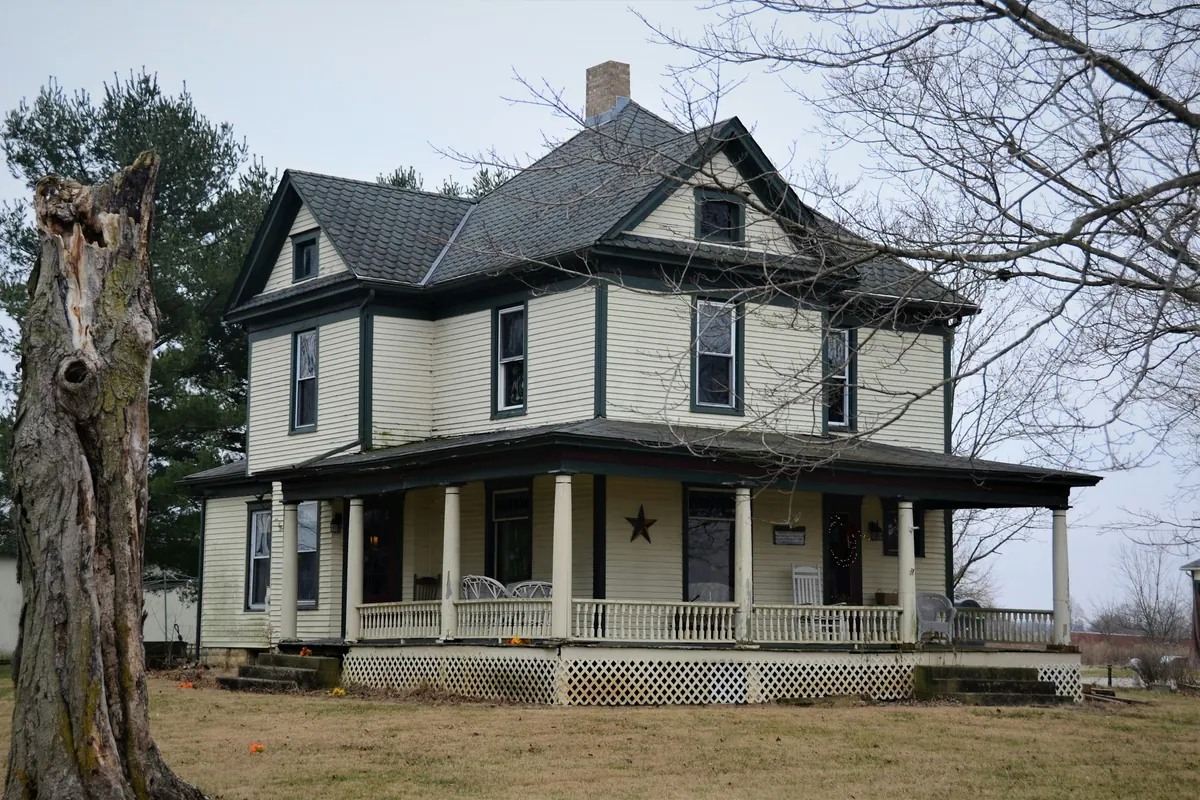
A letter from the city’s code enforcement office can make a house feel unsellable overnight. It usually is not. Houses with open violations change hands every week. What matters is knowing exactly what is on record, what will block a closing, and what simply changes the price.
This guide covers the practical side. It is general information, so check the rules in your city, because code programs vary a lot from one municipality to the next.
What counts as a code violation
Most cities adopt a property maintenance code, often based on the International Property Maintenance Code, plus their own ordinances. Violations tend to fall into a few buckets:
- Exterior and nuisance issues: tall grass, junk or inoperable vehicles in the yard, trash, graffiti, broken windows, peeling paint.
- Structural and safety issues: failing roofs, collapsed porches or stairs, missing handrails, exposed wiring, unsafe gas lines, no working heat in winter.
- Occupancy issues: a house declared unfit to occupy, or a garage or basement converted into living space without approval.
- Unpermitted work: additions, decks, electrical or plumbing changes, or HVAC replacements done without a permit or never inspected.
These are different animals. A tall-grass citation is usually closed by mowing and paying a small fee. A structure declared unsafe can come with demolition orders and court dates. Unpermitted work may not be a violation at all until someone notices it.
Step one: find out what is actually on record
Owners often know about the letter they received but not the full history. Before you decide anything, pull the record.
- Call or search your city’s code enforcement department by address. Many cities have an online lookup. Ask for every open case, its status, and whether any fines are accruing daily.
- Search the building permit history for open or expired permits. An expired permit with no final inspection is a common surprise, especially for roof, water heater, and HVAC jobs.
- Check the county land records for recorded liens. Unpaid fines, mowing charges, demolition costs, and board-up costs can be recorded as liens against the property. Some cities add them to the property tax bill instead.
- Ask whether the case is in an administrative hearing or in court. That changes who you deal with and how fast things move.
- Get it in writing. A printout or email from the city is something a buyer and a title company can rely on.
If the house was inherited, this step matters even more. Heirs often discover cases that were opened while a parent was in the hospital or after the house sat empty.
Violations, liens, and the closing table
Here is the distinction that confuses people. An open violation is a condition the city wants corrected. A lien is a debt recorded against the property, often from unpaid fines or work the city did itself.
Title companies care most about liens, because a lien attaches to the property and must be paid or released for clean title to pass. Those payments typically come out of the seller’s proceeds at closing, just like a mortgage payoff.
Open violations without a recorded lien may not block a closing at all. They do become the buyer’s problem afterward, which is why buyers price them in. In some cities, though, the rules are stricter. Certain jurisdictions require a compliance inspection or certificate before a sale can close, or require the buyer to sign an acknowledgment that they are taking on the open orders. Your title company or a local real estate attorney can tell you what applies.
Ask whether fines can be reduced. Many cities will negotiate or waive accrued daily fines once the condition is corrected or the property is transferred to someone with a plan to correct it. Policies differ widely, so ask the department directly.
Disclosure: say what you know
Most states require sellers to disclose known material defects, and many use a standard disclosure form. A known code violation is the kind of fact you should assume needs disclosing. Hiding it rarely works anyway, because buyers’ title searches, inspectors, and city lookups find the same records you did.
For homes built before 1978, federal law separately requires sellers to give buyers the lead-based paint disclosure form and pamphlet and to disclose known lead hazards. That rule applies whether or not there is a code case.
Disclosure protects you. A buyer who signed a contract knowing about an open case has a much harder time claiming later that you misled them.
Your three realistic paths
Path 1: fix it, close the case, then sell
This makes the most sense when the violations are cosmetic or inexpensive and you have time and cash. Closing the case opens the door to buyers using conventional, FHA, or VA financing, which matters because government-backed loans come with minimum property condition standards. An appraiser who sees missing handrails, exposed wiring, or a failing roof can make the loan conditional on repairs.
Watch for scope creep. Correcting one violation sometimes requires a permit, the permit brings an inspector, and the inspector notes three more items. Get a contractor’s written scope tied to the city’s list before you start.
Path 2: disclose it and list as-is
You can list the house with the violations disclosed and let the market price them. This can work in hot neighborhoods where the land or location carries the value. The catch is that your buyer pool narrows to people paying cash or using renovation loans, and financed buyers’ lenders may balk. Expect more contract fall-throughs and more negotiation after inspection.
Path 3: sell directly to an as-is cash buyer
A cash buyer that purchases as-is takes on the open cases, the permit cleanup, and the repair risk. You trade some price for certainty: no lender conditions, no repair negotiations, and a closing date that does not depend on a contractor’s schedule. Liens still get paid from proceeds at closing; that part does not change no matter who buys.
This path is strongest when the repair list is long, the fines are accruing, the city has set a deadline you cannot meet, or you simply do not have the cash to front the work.
How buyers price a violation
Whoever buys the house will estimate three things: the cost to cure each item, how long the city process will take, and how much risk is hiding behind what they can see. Unpermitted additions are the hardest to price, because the buyer may have to open walls for inspection or remove the work entirely.
A fair as-is buyer should be able to explain, at least roughly, how the violations affected their number. If an offer drops sharply because of “code issues” but the buyer cannot point to which ones, ask. Our guide on what an as-is fair offer should look like covers that conversation.
When the city is already in court
If the case has gone to housing court or an administrative judge, or a demolition order is pending, move quickly and get advice. Tell the court or hearing officer that you are selling; some will grant time if a sale is under contract. Tell any buyer about the hearing date. And make sure the contract addresses who will appear at future hearings after closing.
Do not ignore court dates while waiting for a sale. Missed hearings can escalate fines or orders in ways that are hard to unwind.
A short worksheet before you decide
- List every open case, permit, and lien with its status and amount.
- Get a written repair estimate tied to the city’s list.
- Ask the city about fine reduction once the condition is cured or ownership changes.
- Estimate months of carrying costs while repairs happen. Our vacant house holding cost guide can help.
- Compare your estimated net under each path, not just the sale prices.
Where we fit
Main Street Home Buyer buys houses as-is, including houses with open code cases and unpermitted work. We will tell you which items affected our offer and show the estimated net after liens and ordinary closing costs. If fixing and listing would clearly put more money in your pocket, we will say so. Request an estimate below or call (469) 399-2765.
Sources and further reading
Public sources referenced in this article. Rules change; confirm current requirements with the office or a licensed professional.
- International Property Maintenance Code (2021) — International Code Council
- Lead-based paint disclosure rule for sellers and landlords — U.S. Environmental Protection Agency
Written by the Main Street Home Buyer team
We buy houses as-is and put an estimated net-proceeds figure next to every offer. Our guides are general education, not legal, tax, or financial advice. For your situation, talk with a local attorney, CPA, or title professional. How we work →